Arab Stars at the 2026 World Cup – Running, Fitness, and Endurance
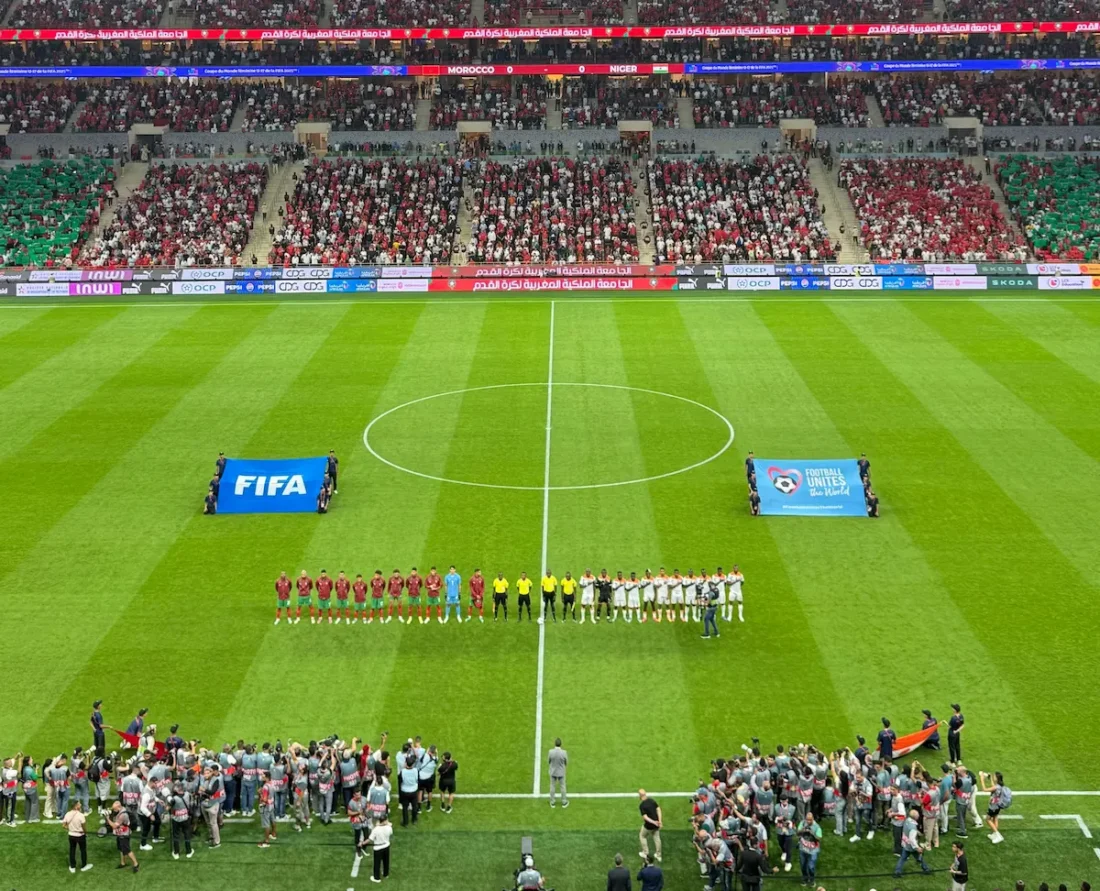
أشرقت شمس صيف عام 2026 على الملاعب الشاسعة في الولايات المتحدة، كندا، والمكسيك، لن يكون المشهد اعتياديًا بالنسبة لنا كجمهور عربي. نحن نتحدث عن إنجاز تاريخي غير مسبوق؛ ثمانية منتخبات عربية حزمت حقائبها وعبرت المحيط للمشاركة في أضخم محفل رياضي على وجه الأرض. من قارة آسيا، تأتينا قوة التحمل الخليجية متمثلة في السعودية وقطر، بجانب الصلابة البدنية للعراق، والظهور الأول والتاريخي لنشامى الأردن. ومن قارة أفريقيا، يحضر التأسيس البدني الأوروبي الممزوج بالروح القتالية مع المغرب، مصر، الجزائر، وتونس. بكل تأكيد، سنشاهد نجوم عرب في كأس العالم 2026.
But let’s set aside the tactical analyses, predictions of results, and complex qualification calculations. The “Urkod” platform won’t be looking at how many goals are scored, but rather at how many kilometers are covered. If we tally up the final rosters for these eight teams, we’re looking at more than 200 Arab players—or rather, more than 200 “elite runners” who will be pounding the turf of American soccer fields. This summer, we won’t be watching to see who can shoot the ball best; instead, we’ll be watching to see who has the lung capacity to keep running when the clock passes the 70-minute mark and their legs feel as heavy as if they were dipped in concrete.
Fitness Stats for Arab National Teams — From Natural Talent to Running Machines
For decades, the classic reputation of Arab players in major tournaments could be summed up in a single sentence: “Mesmerizing individual talent, but physical stamina that falters in the second half.” In the past, we played soccer using only our feet, and we paid dearly for it against European teams that relied on their lungs and muscles. However, the data recorded by GPS tracking devices in recent years—and specifically during the last World Cup—tells us that a silent physical revolution has taken place.
Let’s look at the numbers from a runner’s perspective. In major tournaments, the average distance covered by the Arab national team (as a whole) exceeds 110 to 115 kilometers per high-intensity match. If we divide this distance among the ten players (excluding the goalkeeper), we’re talking about an average of at least 10.5 to 11.5 kilometers per player, covered in 90 minutes.
A team like Morocco, which stunned the world in the last tournament, did so not only through tactical brilliance but also through its ability to keep the “team block” compact and constantly run to cover the field. Midfielders on teams like Algeria, Tunisia, and Egypt—most of whom play in European leagues that rely on high-pressure tactics—record maximum oxygen consumption (VO2 Max) levels comparable to those of professional middle-distance runners.
On the Asian side, the national teams are just as fierce. The Saudi national team, which relies on a dynamic style of play, subjects its players to extremely grueling anaerobic running drills. Jordan, making its World Cup debut, relies on players with tremendous physical endurance built up during rigorous, closed-door training camps. Today’s Arab player is no longer the artist who waits for the ball to come to him; rather, he has become a “sprinter chasing the ball,” possessing a solid aerobic base that allows him to recover quickly between matches played every four days.
Fitness Profile — Saud Abdulhamid: The Diesel Engine and the Double Explosion
If we were to put Arab physical fitness under the microscope, we would find no more impressive physiological model than Saudi star Saud Abdulhamid. This player is not just a traditional right back; he is a case study in sports physiology and a perfect example of what is known as “Repeated Sprint Ability” (RSA).
In the world of regular running that we’re used to, we run at a steady pace and pace ourselves wisely to finish a 5- or 10-kilometer run without collapsing. But running in the modern right-back position, as Saud does, is a physiological nightmare. He’s required to run slowly to get into position, then suddenly explode at top speed (exceeding 33 kilometers per hour) for 40 or 50 meters to catch up with the opponent’s winger, then come to a complete stop (which tears the microfibers in his muscles), before sprinting off again in the opposite direction to support the attack.
سعود عبدالحميد يمتلك ما نطلق عليه في عالم الجري “عتبة لاكتيك” (Lactate Threshold) استثنائية. حمض اللاكتيك هو ذلك السائل الحارق الذي يتراكم في عضلاتك عندما تجري بسرعة وتلهث بشدة، وهو الذي يجبرك على التوقف والشعور بالألم. جسد سعود مدرب بعبقرية على تحمل مستويات عالية جدًا من هذا الحمض في دمه، والأهم من ذلك، قدرة جهازه الدوري على التخلص من هذا الحمض وإعادة تدويره كطاقة في الثواني القليلة التي يمشي فيها بين الهجمات.
When you look at Saud’s heat map after the match, you won’t find a single spot on the right wing that wasn’t lit up by his movement. He is a living, breathing example of the fartlek and high-intensity interval training (HIIT) exercises that runners do to increase their speed. This player’s performance proves that Arab athletes can keep pace with their European and Latin American counterparts, and that the Arab “engine” is capable of operating at maximum capacity without overheating or breaking down.
Perhaps the most notable moment we’ve witnessed in this tournament so far—as of this writing—is the performance of the 18-year-old prodigy Ayoub Bouadi with Morocco against Brazil—the team with the most World Cup titles in history—as he demonstrated a level of stamina and tactical intelligence rarely seen in a player of his age. Nothing demonstrates his talent and exceptional physical fitness more than his ability to complete 60 successful passes out of 66, for a success rate of 91%.
What Sets Arab Fitness Apart? — The Genes of the Sun and a Culture of Suffering
We might wonder: How have Arab players managed to bridge this vast physical gap with the West? The answer lies not only in the development of soccer academies and the use of foreign strength and conditioning coaches, but also in their roots, the climate, and the nature of their athletic upbringing.
Runners in Scandinavia or Central Europe train in a cool, mild climate that helps the body easily dissipate the heat generated by physical exertion. Arab athletes, however—whether they are children chasing a ball through the alleys of Casablanca, on the crowded streets of Cairo, or on dirt fields under the scorching sun of Riyadh and Baghdad—develop an exceptional capacity for “heat acclimatization” from a very young age.
Running and exerting oneself in temperatures exceeding 35 degrees Celsius with stifling humidity places double the strain on the cardiovascular system of Arab athletes. The heart is forced to pump enormous amounts of blood to the skin’s surface to cool the body through profuse sweating, while at the same time it must deliver oxygen to the working muscles. This innate “climatic challenge” produces athletes with strong hearts and complex capillary networks. When these athletes move to play in temperate climates or under advanced medical care, their physical abilities explode in astonishing ways.
The 2026 World Cup in North America will be held in the summer, in cities with sweltering, extremely hot weather. European teams will struggle greatly to adapt and will turn to thermal simulation chambers. As for our eight Arab teams, this weather is their “home turf.” The heat that wears down opponents is the very same environment in which the Arab players’ bodies and lungs have developed. This physiological advantage will play a decisive role in the final minutes of matches, when others are melting under the midday sun.
In addition, there has been a remarkable evolution in the culture of athletic discipline. Today’s Arab athletes fully understand the value of proper nutrition, deep sleep, and recovery sessions in ice baths. The culture of “grinta” and fighting spirit are no longer just rousing slogans shouted in locker rooms; they’ve been translated into clear numbers on tracking devices. We don’t just play with spirit; we run with science, endurance, and strict tactical discipline that requires the forward to run back to defend as if he were a deep-lying winger.
Conclusion: Running is what the champion and the amateur have in common
As you watch the World Cup matches this summer and see the jerseys of the Saudi, Moroccan, Jordanian, and Egyptian national teams running nonstop across the big screens, remember one important thing: the struggle these stars go through in the 85th minute is no different, physiologically speaking, from the struggle you go through when you run that last kilometer in Marathon محلي، أو عندما تقرر كسر رقمك الشخصي في سباق 5 كيلومترات صباحي في مدينتك.
Running is the only universal language that knows no pretense. The star who earns millions and the amateur runner who runs in old shoes both share the same burning in their lungs, the same racing heartbeat, and the same inner struggle between the desire to stop and the courage to keep putting one foot in front of the other.
The World Cup isn’t just an opportunity to sit on the couch and cheer on your fellow countrymen. Let it be your source of physical inspiration this summer. When you see an Arab player cover 12 kilometers in a single match, let that motivate you to lace up your sneakers the next day and head out onto the street.
The road is open to everyone. If you're ready to turn that enthusiasm into real steps on the asphalt, we're waiting for you to come run with us at Urkod Virtual Running Club on Strava.