
Sebastian Soi and the Two-Hour Barrier: What Does This Mean to You as an Amateur Arab Runner
سابستيان سوي وحاجز الساعتين
لم يكن السادس والعشرين من أبريل 2026، يوماً عادياً في تاريخ رياضة الجري وسباقات الماراثون، فما حدث في عاصمة الضباب في ذلك الصباح سيسجل في ذاكرة التاريخ الى الابد.
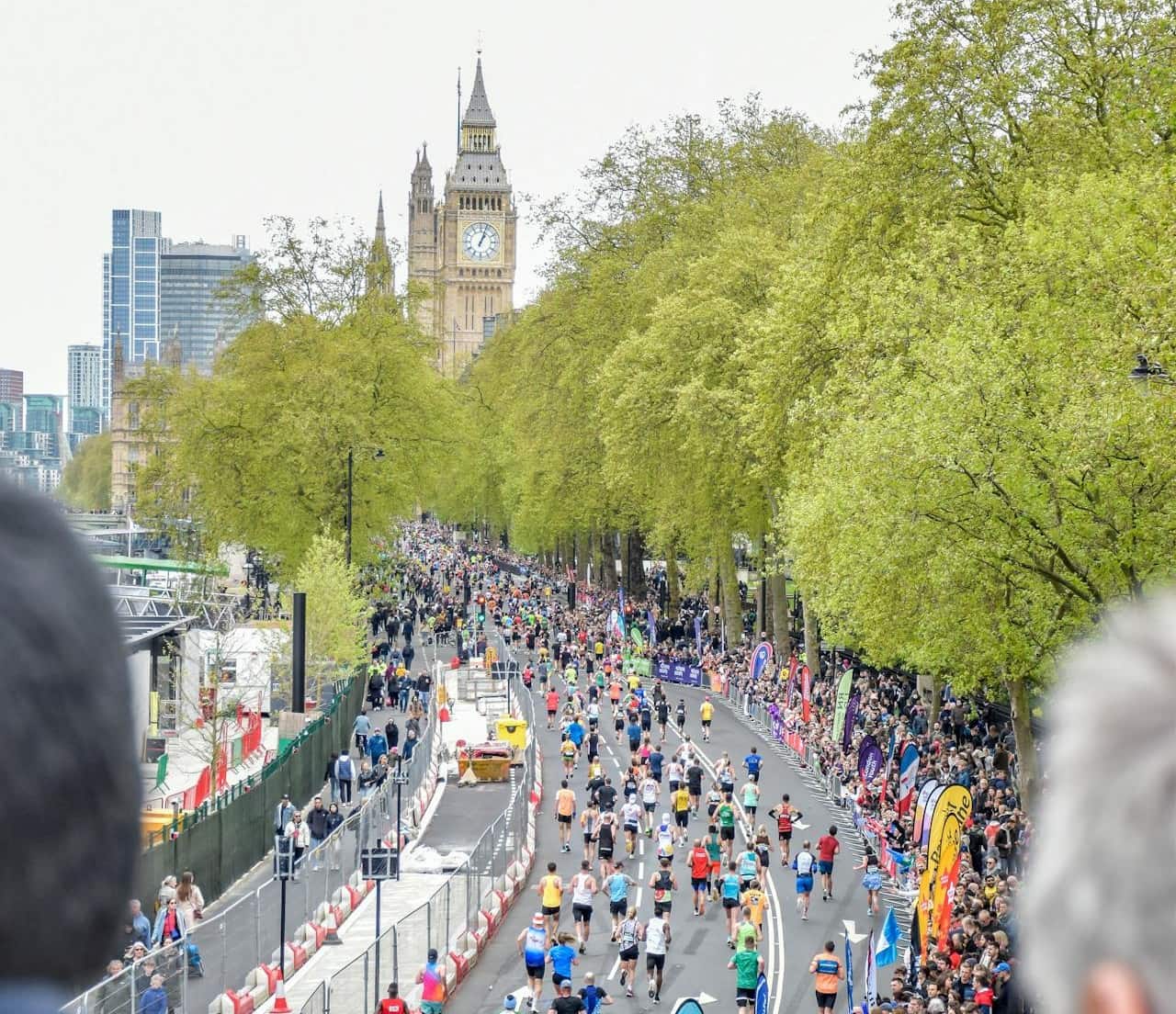
At exactly 11:34:30 on the streets of London, Kenyan runner Sebastian Soi crossed the finish line in his lightest-ever shoes, the Adidas Adizero Evo 3, at London Marathon 2026 بتوقيت 1:59:30، ليصبح أول إنسان في التاريخ يكسر حاجز الساعتين في Race Marathon رسمي معتمد.
This wasn't just a new record. It was a landmark moment in sports history, comparable to the first moon landing. It was a barrier that scientists and coaches had been debating for decades—whether it could ever be broken.
To put the magnitude of this achievement into perspective, it’s enough to know that the world record for this race in 1908 was 2:55:18—a time that I personally know several amateur friends today who could beat.
Who is Sebastian Soi?
Sebastian Kimaro Soii was born on March 16, 1995, in the village of Barsumbi in Kenya’s Rift Valley region. He was born to a farmer and raised by his grandmother in a simple home with mud walls and no electricity.
Sebastian didn't start out as a long-distance runner. He used to compete in middle-distance races, and by pure chance, he found himself running a 5,000-meter race in 2019 after arriving late to a sports competition.
In 2020, he tore a tendon in his foot, and his career nearly ended before it had even begun. He made a comeback. In 2024, he ran his first marathon in Valencia and won with a time of 2:02:05. In September 2025, he won the Berlin Marathon. And in April 2026, he made history in London.
The Key Figures Behind Sui's Success
| 1:59:30 | Final Time |
| 2:00:35 | The late “Kelvin Kiptum,” who lost his life in a tragic accident in 2023 |
| 65 Seconds | The difference from the previous number |
| 2:50 Minute | Rate per kilometer |
| 200 km per week | Average Weekly Training (6 weeks before the race) |
| Adidas Adizero Evo 3 | Running shoes |
What does this mean for Arab Runner?
For anyone running through the streets of Amman, along the Dubai Corniche, or through the neighborhoods of Riyadh, this legendary era means one simple thing: no matter how high the barriers may be, they can be brought down—and indeed, they are. What we once saw as an impenetrable wall, like the Berlin Wall, has fallen just as the Berlin Wall did.
Our Arab countries are not lacking in talent; Hisham Al-Karouj, Nour al-Din Mersli, and Saeed Aweita are proof of the potential and capabilities of Arab runners. The only things we lack are management and discipline.
Soi didn’t come from a world-class sports academy. He didn’t have financial resources or extensive infrastructure during his childhood or even his youth. He grew up in a mud house, and through determination, perseverance, and disciplined training based on science, he became the fastest person in history over a distance of 42 kilometers.
Before leaving London, Sui attended Mass at his village church and asked the villagers to pray for him. No longer adorned only with gold, but also with personal glory, national pride, and a world record that will remain etched in history, he returned as a world champion and went straight to his church to thank his family and neighbors and promised to complete its construction.
This is not just another sports story; it is a lesson that runners, athletes, students, and businesspeople must learn: goals are not achieved through mere wishful thinking, but by seizing the day.
The Marathon in Numbers
What makes Sui's achievement even more remarkable is the way he accomplished it. He didn't run at a steady pace—instead, he picked up speed as the race progressed:
| Stage | Time | Notes |
| First Half of Marathon (21.1 Km) | 60:29 | He began cautiously and at a measured pace |
| Second Half of Marathon (21.1 Km) | 59:01 | A surge in the second half, which is rare in marathons due to fatigue |
This race wasn’t just historic for Sui alone; the runner-up, Yomif Kegelsha of Ethiopia, finished the race in 1:59:41, becoming the second person to break the two-hour barrier in an official, certified marathon. How would you feel if you found out that you had broken a world record in your favorite sport but ended up being crowned the runner-up instead of the winner?
Personally, I had resigned myself to the 4:30 barrier, which I had never been able to break in any of the marathons I’d run, and I began to tell myself that, as a man over fifty who had been a smoker for many years, I couldn’t do any better than that. But Sawi and Kigelsha opened my eyes to the fact that every hard worker has a goal, and that determination is rewarded in proportion to one’s resolve.
It’s true that I’m over fifty, but I’m going to make fundamental changes to my diet and training regimen, and one day I’ll set a new personal best that I thought for a moment was unattainable.
And whenever you doubt your ability to achieve what you want, or wonder if the goal you’ve set for yourself is even possible, remember a man who grew up in a mud-brick house and went on to make history.
“Anything is possible with time,” Sui said after the race. And that's what we believe in at Urkod
See read
The London Marathon will be held over two days in 2027