Nutrition Before, During, and After the Race: Simple Mistakes That Could Ruin a Day You've Been Looking Forward to for Weeks
Nutrition Before, During, and After the Race
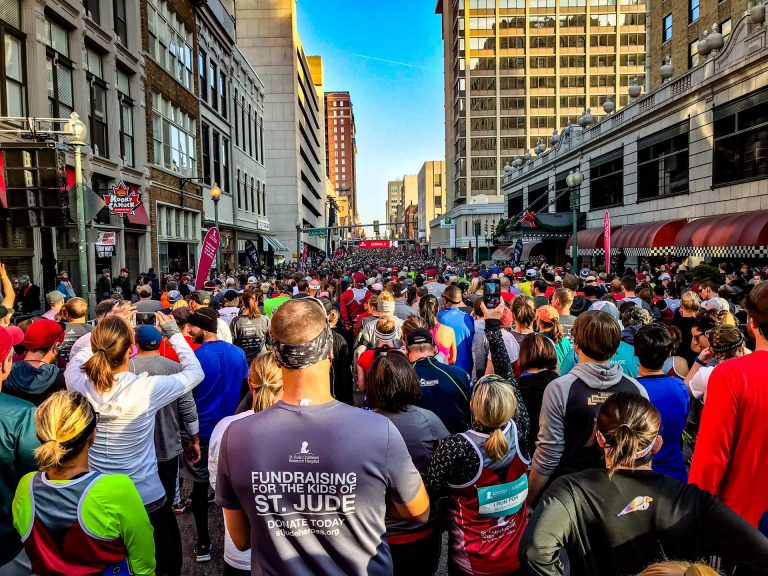
Before a running race Half Marathon In Cairo, one of the runners spoke confidently about his “carb load.” He ordered a large plate of pasta, added dessert and soda, and believed he was giving his body the best possible chance. The next morning, the problem wasn’t his fitness or training, but his stomach, which couldn’t handle all that food just a few hours before the race.
This scenario plays out time and again, whether at amateur races in Riyadh or running events in Dubai. Runners spend months training, then take a completely haphazard approach to nutrition on race day. Some eat too much, others are completely afraid of food, and still others buy a new energy gel the night before the race because a friend recommended it.
In fact, race day doesn't require complicated solutions. It just requires smart, tried-and-true decisions.
Not every race calls for a “pasta night”
There is a very widespread belief that any Race It requires massive carb loading, and that's not true. If you're preparing For the race 5 kilometers Or even 10 kilometers—your body usually doesn't need that much carbohydrate, as marathon runners often say.
If you're training for a half-marathon or a full marathon, however, it's helpful to load up on glycogen during the last day or two before the race. American College of Sports Medicine For endurance races, she recommends gradually increasing your carbohydrate intake rather than eating a huge meal in one night.
That sounds like a lot, but it’s manageable when you spread it out over regular meals like rice, potatoes, pasta, bread, fruit, and dates. On the other hand, very spicy foods or heavy restaurant meals could become a problem on race morning.
Race Morning: Don't Try to Be a Hero at Breakfast
If your race starts at 6 a.m.—as is often the case with races in the Gulf to avoid the heat—it doesn't make sense to wake up at 3 a.m. to eat a huge meal.
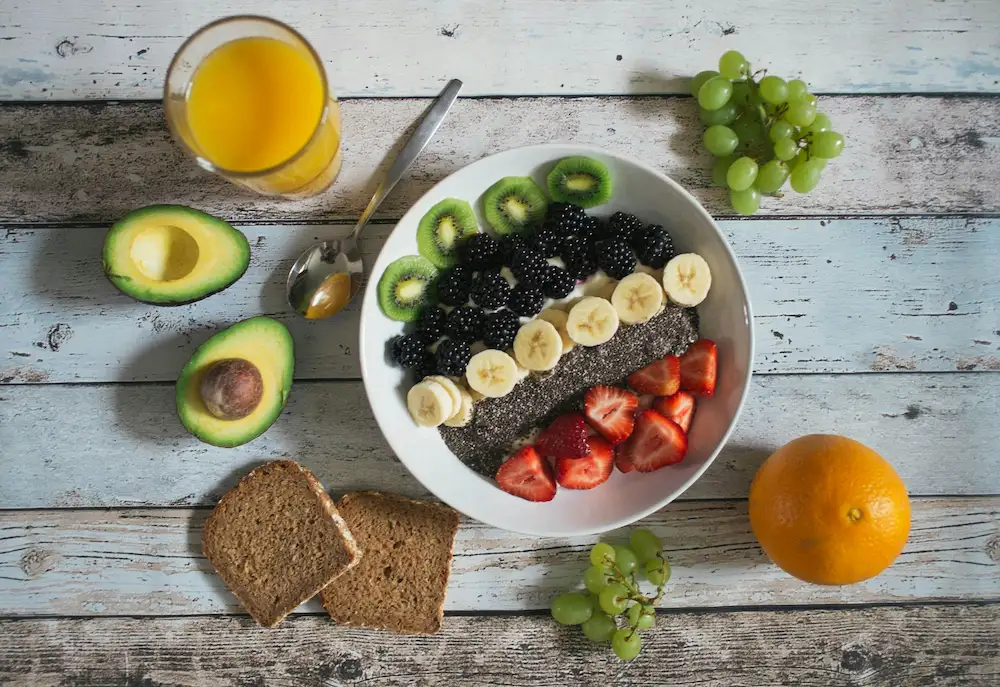
Most runners feel more comfortable with a simple, easily digestible meal: a banana, toast with honey, a small portion of oatmeal, or a few dates. The idea isn't to arrive at the starting line feeling full, but to arrive feeling comfortable.
Coffee is also a good example of common mistakes. If you usually drink coffee before a run, stick to the same amount. But if you don't usually drink it, race day isn't the time to try a large dose of caffeine.
Do you really need a lot of energy during a race?
For their first big race, many runners buy energy gels, electrolyte tablets, and carbohydrate chews as if they were preparing for a professional race.
If your race is less than an hour long, you’ll probably need nothing more than water. But if you’re running a half marathon or a marathon, that’s when nutrition during the race becomes important, because your energy stores begin to gradually deplete.
Some runners prefer Science in Sport because their energy gel is easy to use while running, especially for those who don't like thick gels. Others rely on GNC electrolyte tablets during long training sessions or before races in hot weather.
But here's the most important point: If you haven't tried these products during training, don't use them on race day, no matter what others recommend.
Running in the Middle East Requires a Different Hydration Strategy
Running in Berlin in mild weather is completely different from running in Jeddah or Doha, where humidity and heat can quickly drain your energy.
Some runners make a very common mistake: they drink large amounts of water all at once for fear of dehydration. The problem is that this can cause discomfort while running, and in some cases, it can lead to low sodium levels.
It's best to drink water gradually throughout the day before the race, then make use of the water stations during the race in a balanced way, using electrolyte drinks if you know you sweat a lot.
After the Finish Line: Don't Wait Hours to Eat
After the race is over, the focus usually shifts to photos, medals, and celebrations—and that’s understandable. But at that moment, your body needs something else.
If you wait too long before eating, you’ll feel even more exhausted the next day. A simple meal containing carbohydrates and protein is more than enough: rice with chicken, yogurt with fruit, a light sandwich, or even chocolate milk.
Some runners also buy recovery supplements or protein through Websites that help them compare the right gear for their needs, especially if they train regularly for several races throughout the season.
The best diet plan? The one you already know.
If there's one thing to remember before any race, it's that race day isn't a time for experimentation.
If a certain type of breakfast works for you, stick with it. If a certain food causes you problems while Training، Ignore it. And if you know you can't handle heavy meals at night, don't force yourself to eat them just because another runner does.
Ultimately, good performance doesn't start at the starting line, but with the small decisions you make hours before it.